
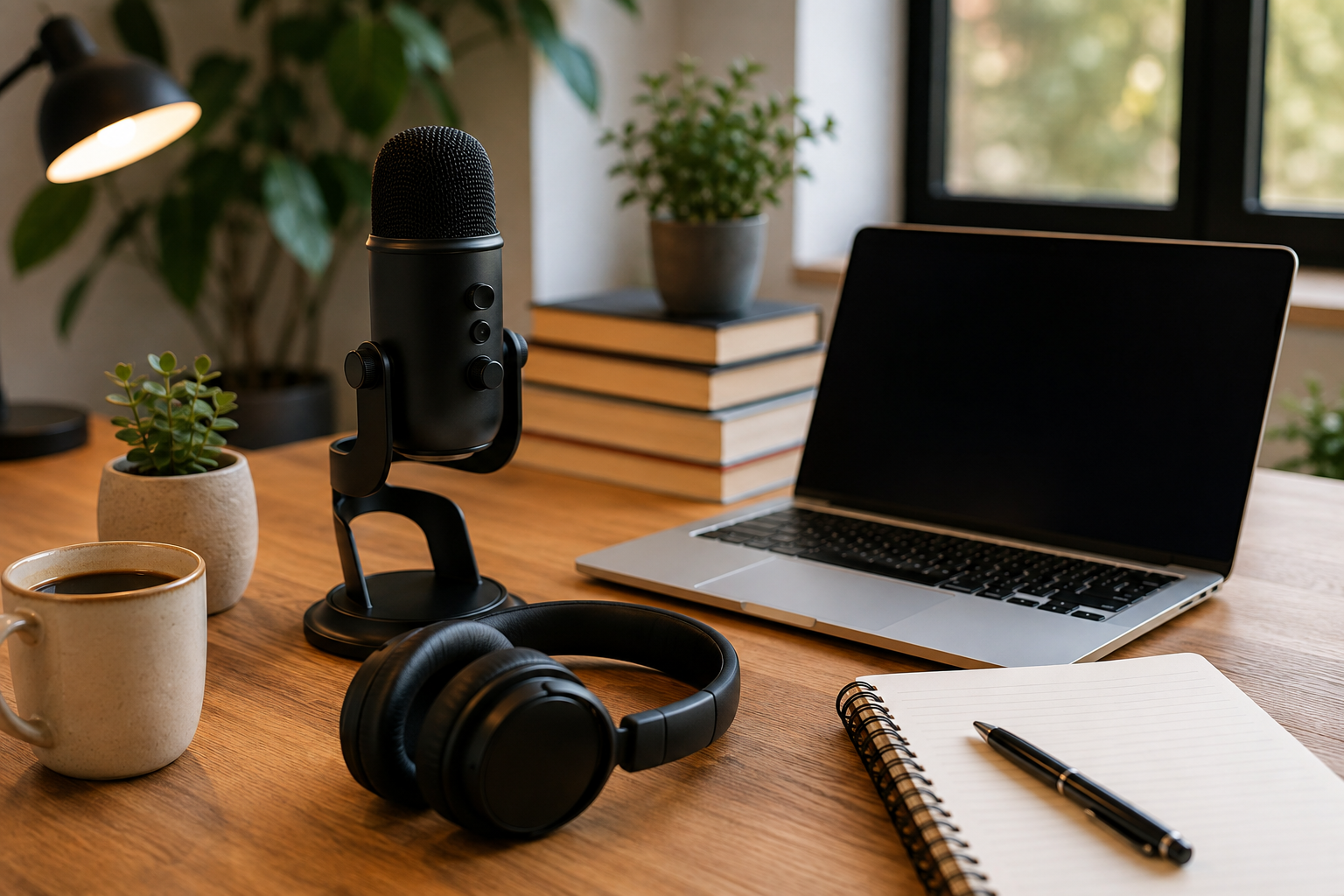
Starting a side hustle sounds exciting until you realize how much there is to learn. You need an idea, a way to find customers, basic money management skills, and enough time to keep things moving. The good news is that you don’t have to figure everything out alone. Business podcasts for people who want to start a side hustle can give you useful ideas and real-world lessons while you’re driving, walking, working out, or simply relaxing at home.
The best part is that podcasts often bring you closer to stories from entrepreneurs who have already made mistakes, tested ideas, changed direction, and learned what works. Instead of spending hours reading business books, you can hear practical lessons in a format that fits easily into a busy day.
Why Business Podcasts Are Useful for Side Hustlers
A side hustle usually starts alongside another commitment, such as a full-time job or family responsibilities. That makes time one of your biggest challenges.
Podcasts can turn otherwise unused moments into learning opportunities. You might listen to an episode during your commute and discover a new way to promote your service. Another episode could explain how someone found their first customer with almost no advertising budget.
They can help you:
- Discover realistic side hustle ideas
- Learn from successful entrepreneurs and their mistakes
- Understand basic business and marketing concepts
- Stay motivated when progress feels slow
- Find new ways to manage your limited time
- Learn about different business models before investing money
However, listening should be the starting point, not the entire strategy. A podcast can give you an idea, but you still need to test that idea in the real world.
What Should You Look for in a Business Podcast?
With thousands of podcasts available, choosing something useful can be harder than it sounds. For a beginner, the most valuable shows are usually the ones that combine inspiration with practical advice.
Practical Business Advice
Look for episodes that explain how businesses actually operate. Topics such as pricing, customer research, budgeting, sales, and business planning can be especially useful when you’re starting from scratch.
A good episode should leave you thinking, “I can actually try this.”
Real Entrepreneur Stories
There’s a big difference between hearing someone talk about success and hearing how they got there.
Entrepreneur stories can reveal the less glamorous side of business: failed launches, difficult customers, poor decisions, financial mistakes, and moments when the founder nearly gave up. Those experiences can help you set realistic expectations for your own side hustle.
Actionable Side Hustle Ideas
A useful business podcast may also introduce you to opportunities you hadn’t considered. Depending on your skills, you might explore freelancing, consulting, online services, e-commerce, digital products, or content creation.
The important thing is to look for an opportunity that fits your skills and available time rather than chasing whatever happens to be trending.
Business Podcasts for People Who Want to Start a Side Hustle
Not every business podcast is designed specifically for beginners. Some focus heavily on large companies, corporate leadership, or advanced investing. If you’re trying to build a small income stream from the side, you’ll usually get more value from shows covering entrepreneurship, marketing, money, productivity, and real founder experiences.
Entrepreneurship-focused podcasts can help you understand what it takes to turn an idea into something people are willing to pay for. They may cover everything from validating an idea to getting your first customers and eventually growing the business.
Money-focused podcasts are useful for a different reason. Your side hustle can generate revenue and still lose money if you don’t understand expenses, pricing, savings, and cash flow. Learning basic financial habits early can prevent expensive mistakes later.
Marketing podcasts are another strong choice. Even a great service can struggle if nobody knows it exists. Listening to discussions about social media marketing, content marketing, SEO, email marketing, and audience building can give you ideas for attracting potential customers without immediately spending a large amount on advertising.
Then there are productivity and mindset podcasts. These can be particularly helpful when you’re building something after a long workday. Consistency matters more than having one incredibly productive weekend followed by three weeks of doing nothing.
How Business Podcasts Can Help You Choose a Side Hustle
One of the biggest mistakes beginners make is choosing a side hustle simply because somebody online claims it is profitable.
A better approach is to start with your own situation.
Think about what you’re already good at. Maybe you’re comfortable writing, designing, repairing things, teaching, organizing, selling, researching, or working with technology. Your existing skills can give you a much easier starting point than learning an entirely new profession.
Business podcasts can expose you to different business models and help you understand how people turn ordinary skills into paid services.
For example, a person who enjoys writing might hear an entrepreneur explain how they started freelancing with a few simple services. Someone interested in design might learn about selling templates or offering branding services. Another listener might discover that local businesses need help with social media or website content.
The goal isn’t to copy the person speaking on the podcast. Instead, use their experience to ask better questions:
- What problem can I solve?
- Who might pay for that solution?
- What skills do I already have?
- How much time can I realistically dedicate?
- Can I test the idea without spending much money?
Those questions can take you much closer to a practical side hustle.
Turn Podcast Advice Into Real Action
It’s easy to become addicted to learning. You listen to one episode, save another, subscribe to five shows, and suddenly you know plenty about entrepreneurship—but you still haven’t started anything.
That’s where many aspiring side hustlers get stuck.
Keep Simple Notes
Whenever you hear something useful, write it down. Your notes could include business ideas, marketing strategies, tools, customer acquisition methods, or lessons from entrepreneurs.
Don’t try to record every detail. Just capture ideas you might actually use.
Focus on One Opportunity
You don’t need five side hustles at once. Pick one idea and give it enough attention to see whether it has potential.
If you’re interested in freelance writing, for example, spend some time creating a simple service offer and finding potential clients instead of immediately jumping into dropshipping, affiliate marketing, and digital products too.
Test Before Investing
You don’t need an expensive website, fancy office, or a huge advertising budget to test many side hustle ideas.
Start small. Create a basic offer, speak to potential customers, publish useful content, or try to make your first sale. Real feedback is often more valuable than another ten hours of passive research.
How to Fit Business Podcasts Into a Busy Schedule
You don’t necessarily need to set aside an extra hour every day for podcasts.
Instead, connect listening to something you’re already doing. A 20-minute commute can become learning time. The same applies to walking, exercising, cleaning, cooking, or traveling.
You could also choose specific topics for different days. For example, listen to entrepreneurship content when you’re exploring new ideas and marketing episodes when you’re actively trying to attract customers.
The trick is not to turn podcast listening into another obligation. Make it part of your existing routine.
Common Mistakes to Avoid When Listening to Business Podcasts
Business podcasts can be extremely useful, but there’s a trap: consuming information can feel like making progress even when you’re not actually building anything.
One common mistake is listening to too many shows at once. If every episode introduces another “amazing” business idea, you may constantly switch directions without giving anything enough time to work.
Another mistake is assuming that someone else’s success story can be copied step by step. Their audience, skills, timing, location, resources, and experience may be completely different from yours.
Be careful with advice that encourages you to spend a lot of money before proving there is demand. A small experiment can often tell you more than an expensive setup.
Most importantly, don’t wait until you feel completely ready. You will learn things only after talking to customers, making offers, getting rejected, improving your work, and trying again.
Build a Simple Learning Routine With Podcasts
You can make your podcast habit more useful by connecting it to weekly action.
For example, on Monday, listen to an entrepreneurship episode and write down one idea. On Tuesday, focus on marketing and consider how you could reach potential customers. Wednesday can be used to research whether people actually need your proposed product or service.
By Thursday, listen to a real entrepreneur story and look for lessons that apply to your situation. On Friday, choose one small task based on what you’ve learned. During the weekend, put that lesson into practice.
That final step is the one that matters most.
You might create your first service page, contact a potential customer, publish a piece of content, build a basic product, or test a small offer. Even if the result isn’t perfect, you’ve moved beyond listening and started learning through experience.
The right business podcasts for people who want to start a side hustle won’t build the business for you. What they can do is shorten the learning curve, introduce you to useful ideas, and help you avoid mistakes that other entrepreneurs have already made. The real progress begins when you take those lessons and put them to work.