
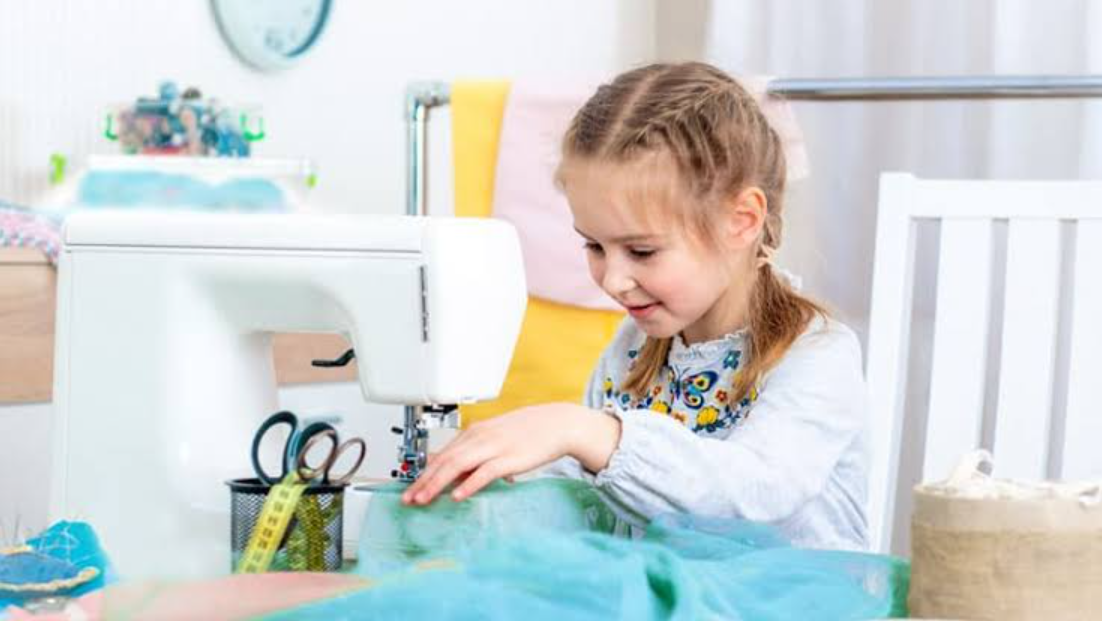
Buying your first sewing machine should feel exciting, but the number of available options can quickly make the process confusing. Some machines come with hundreds of stitches, digital screens, and automatic controls, while others keep things simple with a few practical dials.
For most new sewers, the best choice is not necessarily the machine with the longest feature list. A good sewing machine for beginners should be easy to set up, comfortable to control, and dependable enough to handle everyday projects. It should help you learn without making every small task feel complicated.
Best Beginner Sewing Machines for First-Time Users
The best beginner sewing machines for first-time users combine simple controls with enough useful features to support steady progress. You should be able to thread the machine, insert the bobbin, select a stitch, and begin sewing without constantly checking the manual.
At the same time, your first sewing machine should not be so basic that you outgrow it after completing two or three projects. A well-designed beginner model should work for simple repairs, home décor, accessories, basic garments, and other easy sewing projects.
When comparing machines, think about the type of sewing you plan to do, how much space you have, and whether you prefer traditional dials or push-button controls.
Best Overall Beginner Sewing Machine
A strong all-around beginner machine should offer a balance of simplicity, durability, and useful stitch options. It does not need hundreds of decorative patterns, but it should give you enough flexibility to try different fabrics and projects as your confidence grows.
Look for beginner-friendly features such as:
- Clearly marked threading guides
- Adjustable stitch length and width
- A bright built-in work light
- A free arm for sewing sleeves and trouser hems
- Simple reverse stitching
- Several useful presser feet
- An easy-to-access bobbin area
An easy-to-use sewing machine should also run smoothly at slower speeds. New users often need time to practice guiding fabric, keeping seams straight, and stopping at the right point. A machine that feels predictable will make those early lessons far less frustrating.
Best Affordable Sewing Machine for Beginners
You do not need to spend a large amount of money to start sewing. An affordable beginner sewing machine can be a practical choice for basic alterations, repairs, craft projects, and simple home accessories.
A budget-friendly model should still include reliable straight and zigzag stitches, a reverse function, adjustable thread tension, and a stable presser foot. These features matter more than an oversized collection of decorative stitches.
Lower-cost machines are often lightweight and easy to store, but some may struggle with thick layers of fabric. Before buying, check whether the machine can comfortably handle materials such as cotton, linen, fleece, or light denim.
Very cheap mini machines may look appealing, especially for occasional repairs, but they are not always the easiest machines to learn on. A basic full-size model often provides better control, stability, and long-term value.
Best Computerized Sewing Machine for Beginners
A computerized sewing machine for beginners can remove some of the guesswork from setup. Instead of turning several dials, you can usually choose a stitch on a screen and let the machine recommend suitable settings.
Helpful computerized features may include:
- Automatic needle threader
- Adjustable speed control
- Start and stop button
- Automatic buttonhole settings
- Needle-up and needle-down control
- Built-in decorative stitches
Speed control is especially useful for first-time users. It lets you limit how fast the machine sews, even when the foot pedal is pressed firmly. This can help you feel more confident when sewing around corners, attaching a zipper, or working on smaller pieces.
Computerized models often cost more than mechanical ones, so focus on features you will genuinely use. A clear display and simple controls are more valuable to a beginner than hundreds of complicated stitch combinations.
Best Mechanical Sewing Machine for First-Time Users
A mechanical sewing machine is a good option for anyone who prefers straightforward controls. These machines typically use knobs or dials to adjust the stitch type, length, width, and tension.
Many beginners appreciate mechanical models because they are easy to understand and do not require navigating menus. They are often more affordable, sturdy, and simple to maintain.
A mechanical machine can be especially suitable for:
- Basic clothing repairs
- Cushion covers and curtains
- Tote bags and pouches
- Beginner garment projects
- Everyday straight-stitch sewing
Mechanical sewing machines usually offer fewer automatic functions, but this is not always a disadvantage. Learning to make a few manual adjustments can help you understand how your machine works and how different settings affect the finished stitch.
Best Portable Sewing Machine for Small Spaces
A portable sewing machine is useful when you have limited storage space or need to move the machine regularly. Students, apartment residents, and people who sew at a shared table may prefer a lightweight model with a built-in carrying handle.
Portability should not come at the expense of stability. The machine needs a solid base so it does not slide or shake while you sew. It should also be large enough to support the fabric comfortably.
Look for a portable model that offers:
- A compact but full-size body
- A comfortable carrying handle
- Enough power for common fabrics
- An extension table or usable sewing surface
- Convenient accessory storage
A full-size portable machine is generally a better learning tool than an extremely small mini sewing machine.
What to Look for in Your First Sewing Machine
Beginners are often drawn to machines with impressive stitch counts, but the most useful features are usually much simpler. Your first sewing machine should make common tasks easier and reduce the chances of thread jams, skipped stitches, and uneven seams.
Easy Threading and Bobbin Setup
Threading mistakes are responsible for many common beginner sewing machine problems. A model with numbered threading guides can make the process much easier to follow.
A top-loading bobbin is also helpful because you can see how much thread remains. Some machines have a transparent bobbin cover and printed arrows showing the correct direction for inserting the thread.
An automatic needle threader can save time and reduce eye strain, although it may take a little practice to use correctly.
Useful Built-In Stitches
Most beginner projects require only a small number of stitches. The most practical options include:
- Straight stitch for seams and topstitching
- Zigzag stitch for finishing fabric edges
- Stretch stitch for knit materials
- Blind hem stitch for discreet hems
- Buttonhole stitch for clothing and accessories
Built-in decorative stitches can be enjoyable for personalizing napkins, bags, children’s clothes, or craft projects. However, they should be treated as a bonus rather than the main reason to choose a machine.
Adjustable Sewing Speed
Sewing too quickly can make it difficult to keep the fabric straight. A machine with adjustable speed control allows you to slow things down while learning.
Even without an electronic speed slider, a responsive foot pedal can provide good control. Try to avoid machines that jump from very slow to very fast with only a small amount of pressure.
Presser Feet and Included Accessories
The right accessories can make your machine more versatile from the beginning. Useful items often included with a sewing machine for beginners are:
- All-purpose presser foot
- Zipper foot
- Buttonhole foot
- Button-sewing foot
- Extra bobbins
- Spare needles
- Seam ripper
- Cleaning brush
Check whether replacement presser feet and bobbins are easy to find. A machine that uses widely available accessories will be easier and less expensive to maintain.
Machine Weight and Build Quality
A lightweight machine is convenient to move, but it should not feel flimsy. If the machine vibrates heavily or moves across the table, controlling the fabric will become more difficult.
Look for a machine with a stable frame, smooth controls, and a presser foot lever that feels secure. Customer support, warranty coverage, and access to servicing are also worth considering before making a purchase.
Mechanical vs. Computerized Sewing Machines for Beginners
Mechanical and computerized machines can both work well for new sewers. The better option depends on your budget, comfort level, and preferred way of learning.
A mechanical sewing machine uses familiar knobs and dials. It is often less expensive and gives you direct control over the settings. This type of machine may suit someone who wants a simple, dependable tool without digital features.
A computerized model uses buttons and a display screen. It may automatically select stitch settings and offer features such as needle positioning, speed control, and one-step buttonholes. These functions can make certain tasks easier, but they may also increase the price.
Choose the machine that feels comfortable rather than assuming the most advanced option is automatically the best.
Is a Mini Sewing Machine Good for Beginners?
A mini sewing machine may seem like a convenient starting point because it is compact and inexpensive. However, many mini models have limited power, small work areas, fewer stitch options, and less stable construction.
They may be suitable for quick repairs, lightweight crafts, or occasional use, but they can become frustrating when used for regular learning. Thick seams, layered fabric, and larger projects may be difficult to manage.
For most first-time users, an affordable full-size beginner machine is a better investment. It provides more room to guide the fabric and enough power to complete a wider variety of projects.
Easy Projects to Try on a Beginner Sewing Machine
Your first projects should help you practice basic skills without requiring complicated patterns or slippery materials. Good beginner projects include:
- Reusable fabric napkins
- Envelope pillow covers
- Simple tote bags
- Drawstring pouches
- Fabric headbands
- Basic curtain panels
- Easy clothing alterations
Cotton is one of the best fabrics for learning to sew. It is easy to cut, pin, press, and guide through the machine. Begin with straight seams before moving on to curves, zippers, elastic, or stretch materials.
Common Beginner Sewing Machine Mistakes to Avoid
Many early sewing problems are caused by small setup errors rather than a faulty machine. Taking a few extra moments before sewing can prevent tangled thread, broken needles, and uneven stitches.
Common mistakes include:
- Threading the machine while the presser foot is lowered
- Inserting the needle in the wrong direction
- Using an old, bent, or unsuitable needle
- Forgetting to lower the presser foot
- Pulling the fabric from behind the machine
- Sewing with the wrong thread tension
- Ignoring lint around the bobbin case
- Starting with difficult fabrics such as silk or heavy denim
Let the machine’s feed dogs move the fabric naturally. Your hands should guide the material, not push or pull it through.
Basic Care for a Beginner Sewing Machine
Regular care helps a sewing machine run smoothly and produce cleaner stitches. Remove lint from the bobbin area after several projects, especially when sewing fabrics that shed fibres.
Change the needle regularly and replace it immediately if it becomes bent or damaged. Use good-quality thread, keep the machine covered when it is not in use, and store it in a dry place.
Some machines require occasional oiling, while others should only be serviced by a technician. Always follow the manufacturer’s instructions rather than adding oil without checking the manual.